Company
Need Help?
Call US Directly?
Phone:
+254 (98) 2156 213For Support?
Email:
info@delosweb.comSubscribe Now
Subscribe our newsletter to get the latest news and updates!
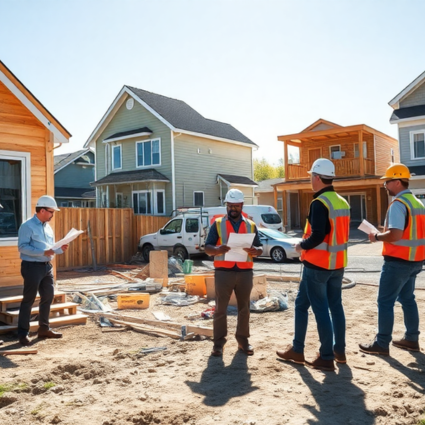
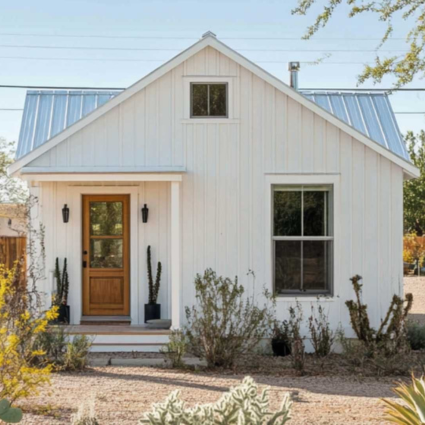
Accessory dwelling units (ADUs) are one of the most powerful ways to add flexible living space and long-term value to your Dallas propertybut they only succeed with thoughtful design and careful planning. Before you pour a foundation or pick finishes, you need a clear strategy for how your ADU will be used, where it will sit on the lot, and how it will comply with local codes.
Great ADUs start on paper long before they"re built on-sitesmart design and planning protect your budget, your schedule, and your peace of mind.
My Dallas ADU
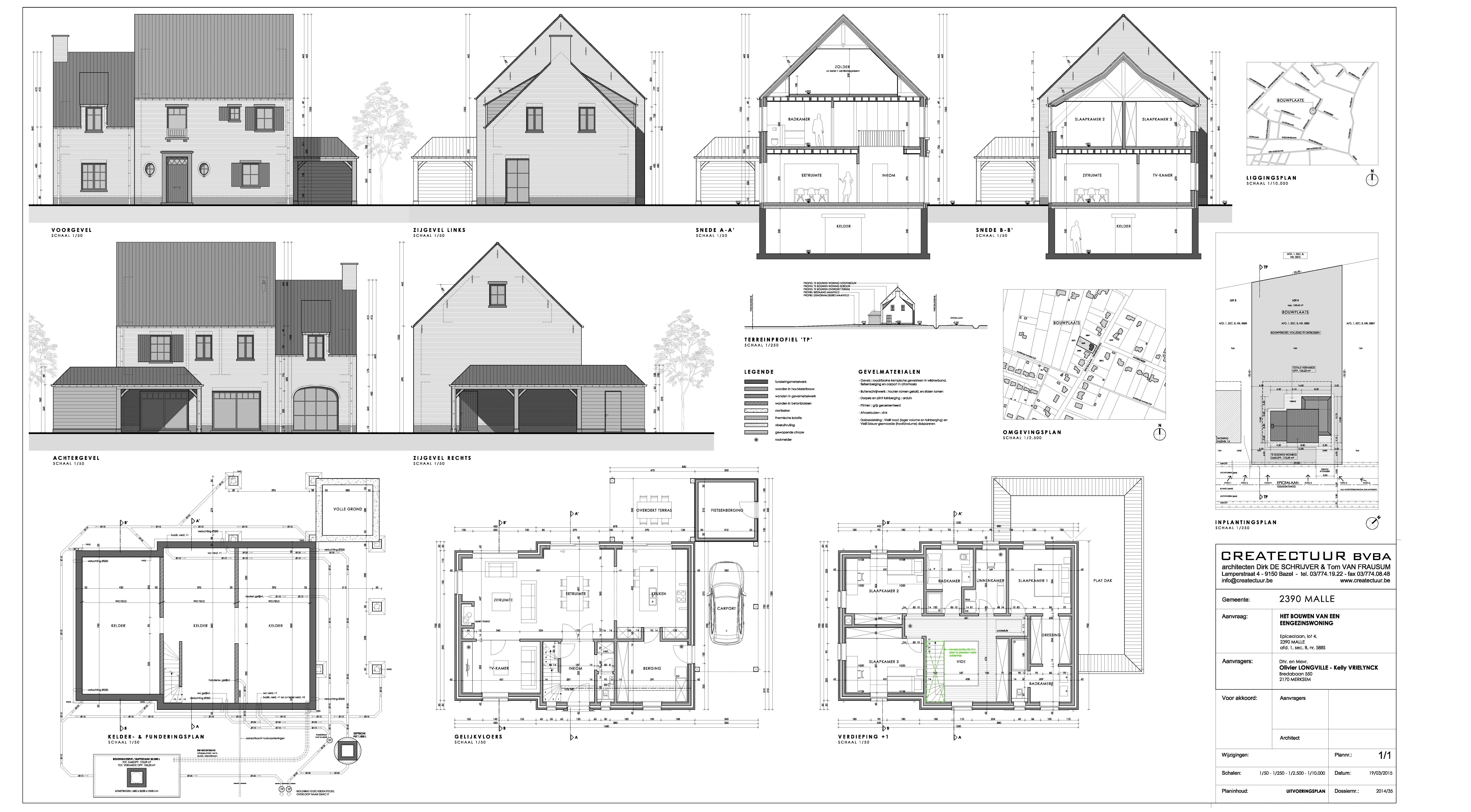
Every successful ADU project begins with understanding what"s possible on your specific lot. That means reviewing Dallas zoning rules, setbacks, height limits, utility locations, and access to the primary home. A proper site analysis helps you choose the best ADU footprint and orientation so you can maximize privacy, natural light, and usability while staying fully code-compliant.
.webp)
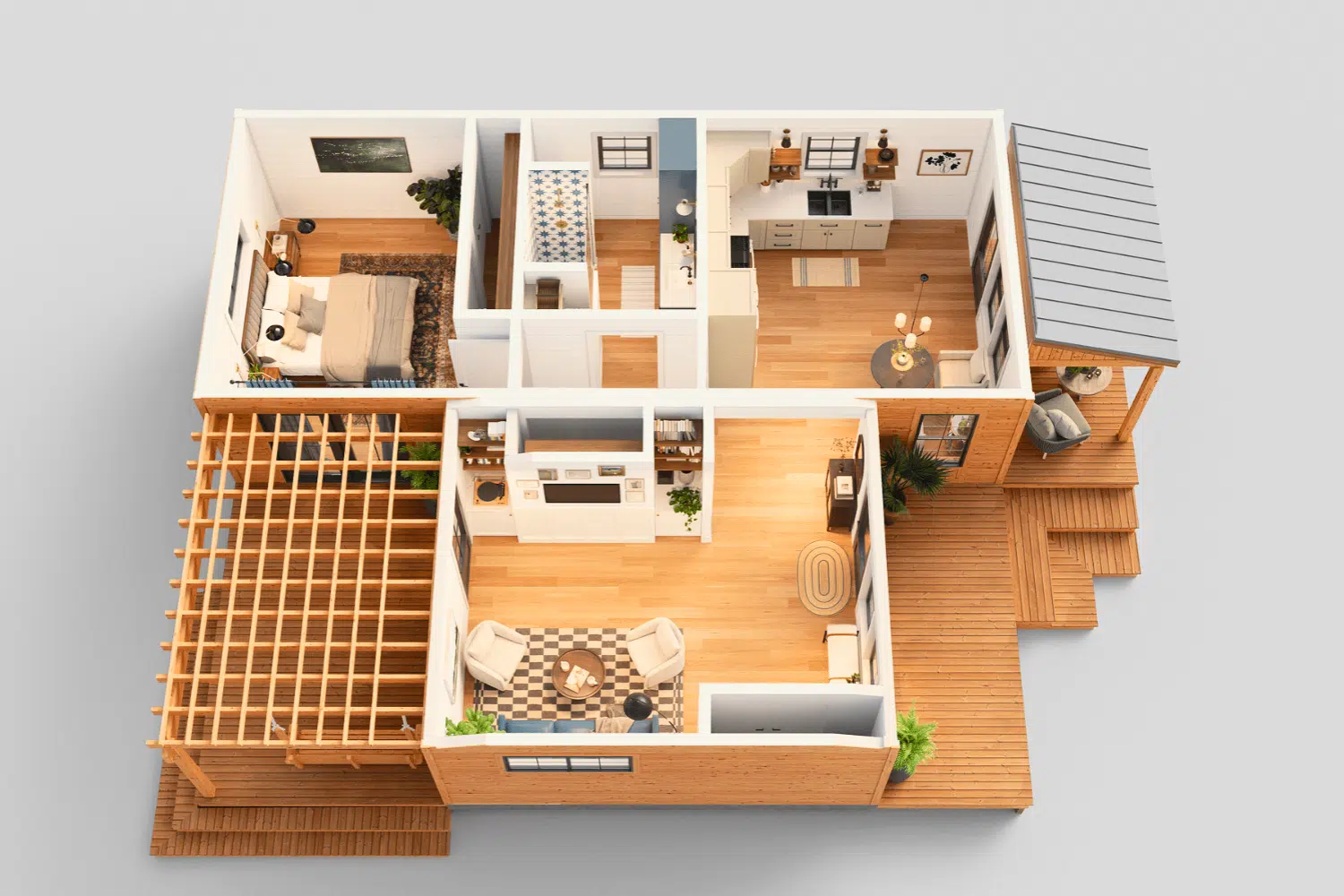
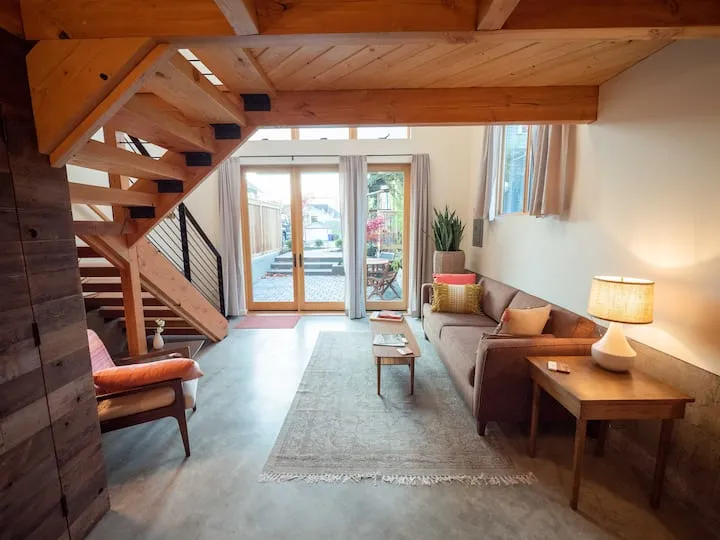
Once the ideal location is identified, the focus shifts to layout. Smart ADU floor plans prioritize circulation, storage, and natural light so compact spaces live larger. Decisions about entries, kitchen and bath placement, windows, and built-in storage all contribute to a design that feels open, comfortable, and tailored to the way future occupants will actually use the space.
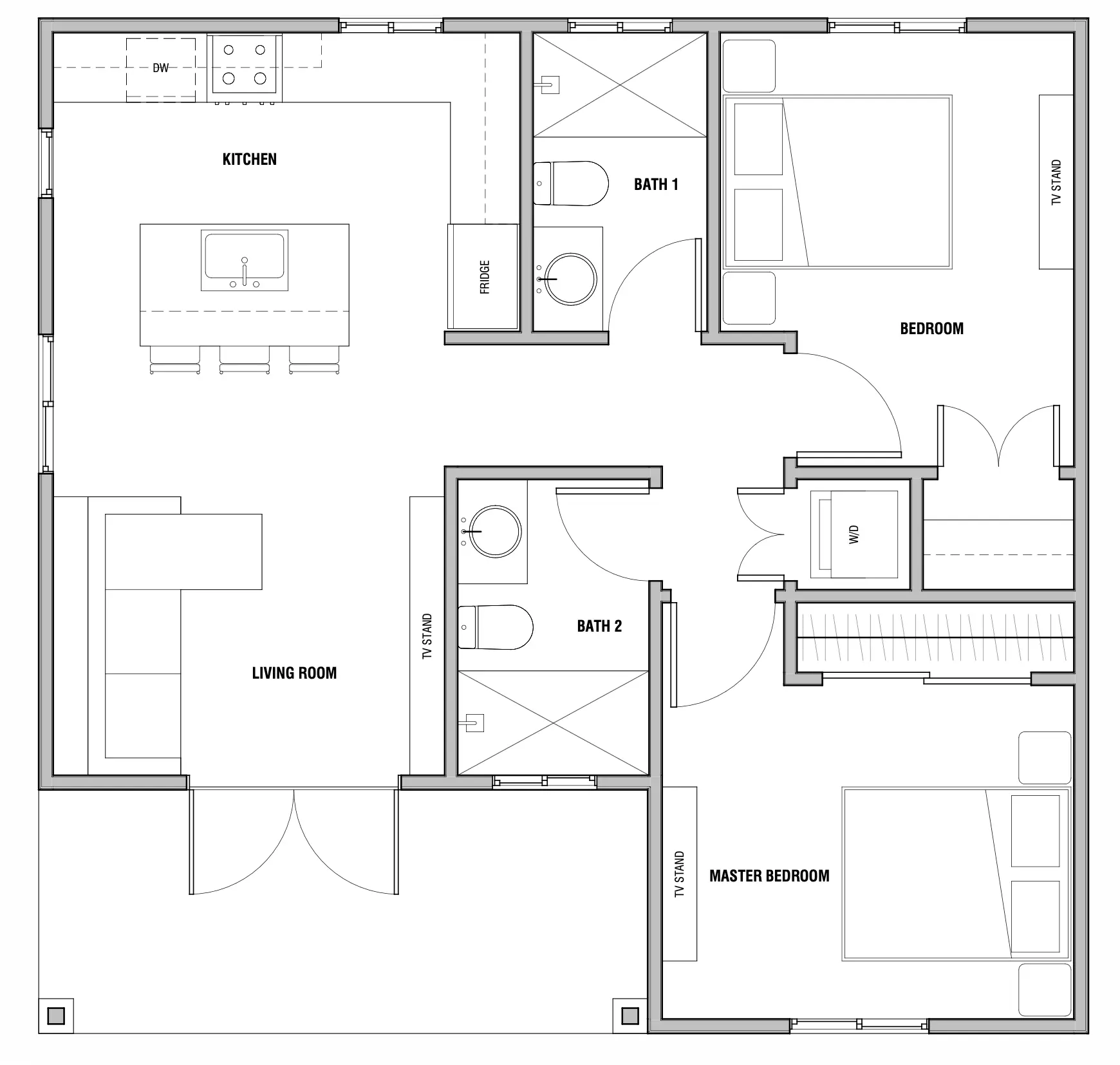
With a solid layout in place, detailed ADU planning ties together structure, systems, and style. This is where structural engineering, energy efficiency, mechanical systems, and finish selections all align with your budget and longterm goals for the unitwhether that"s rental income, multigenerational living, or a flexible guest space.
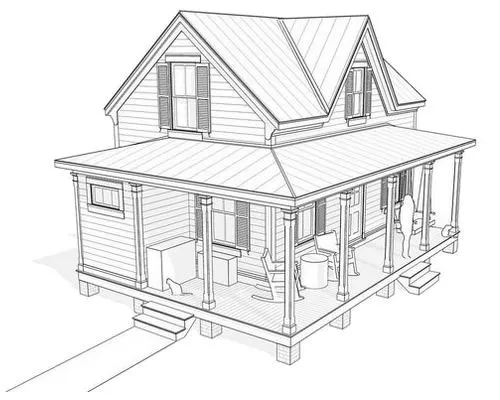
In Dallas, ADUs must meet specific building, fire, and zoning requirements. A strong planning phase includes preparing complete permit drawings, coordinating with the city, and addressing items like parking, utility connections, and easements up front. Handling permits correctly keeps your project moving and prevents costly redesigns later.
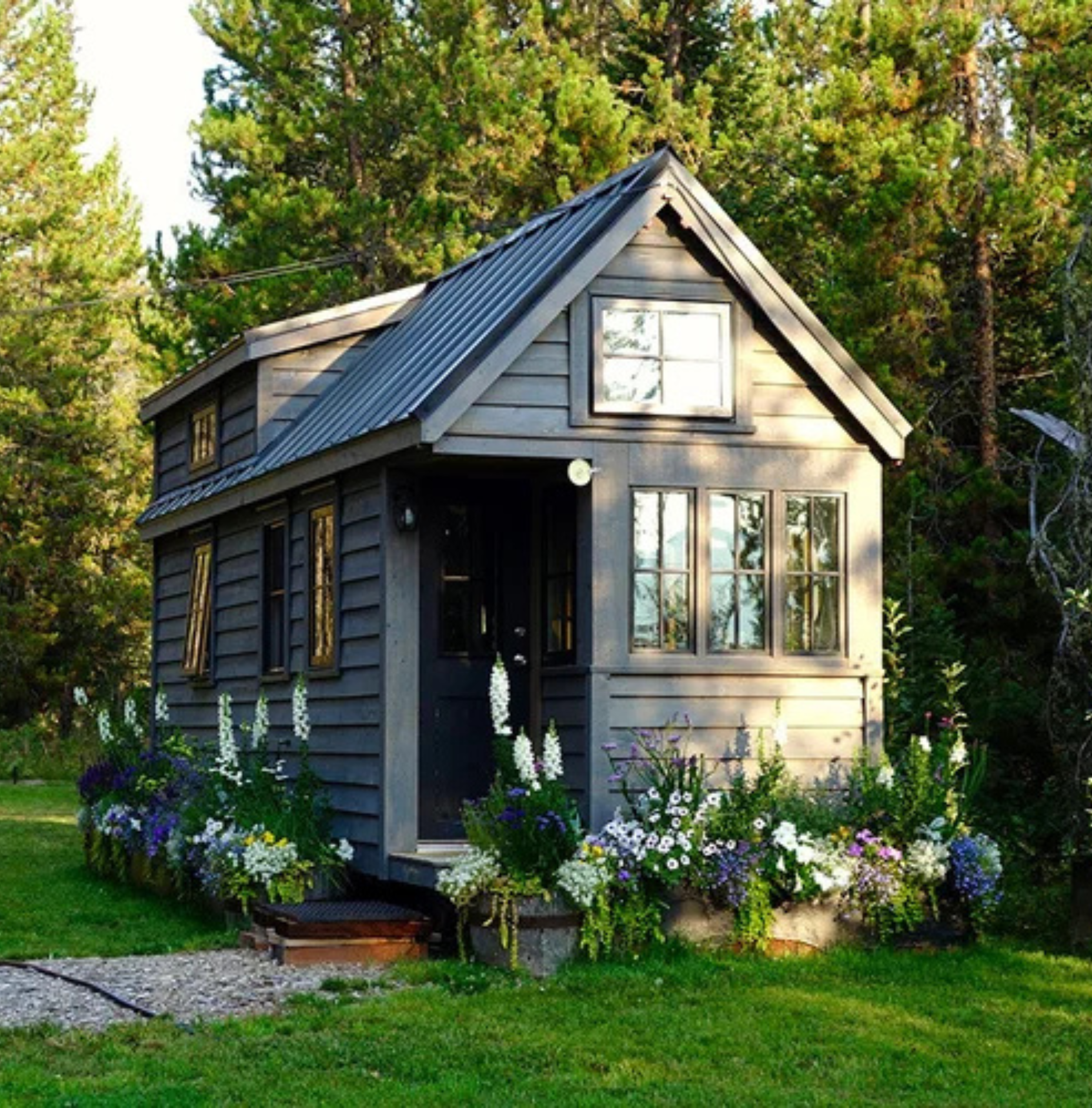
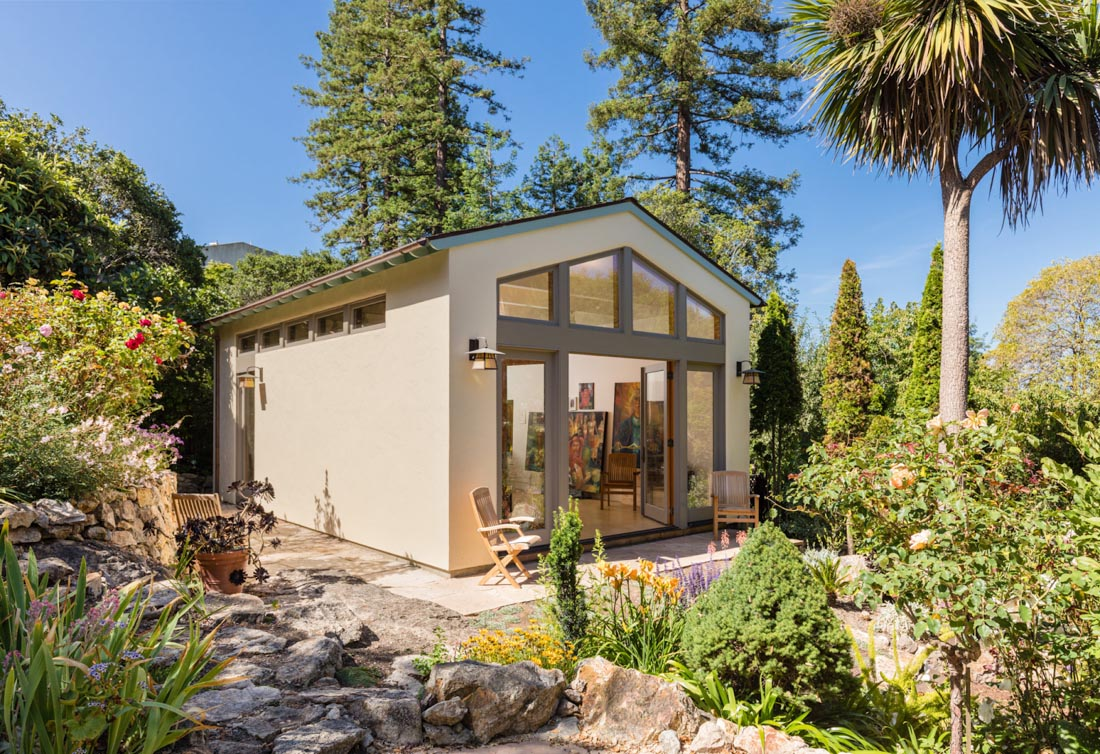
The final layer of ADU design focuses on details: exterior style that complements the main home, durable lowmaintenance materials, efficient kitchens and baths, and thoughtful outdoor connections like small patios or paths. When architecture, interiors, and landscape are planned together, your ADU feels intentional, cohesive, and ready for daily living from day one.
ADU design and planning isn"t just about adding square footageit"s about creating the right kind of space for the people who will live there. By aligning zoning, layout, finishes, and outdoor connections with your goals, your ADU becomes a comfortable, stylish, and practical extension of your home and a longterm asset for your property.



We are providing high-quality building for about ten years.
(c) Copyright by MY Dallas ADU

We successfully cope with tasks of varying complexity, provide long-term guarantees and regularly master new technologies.


Constx is a Construction & Renovation company website You can customize all.